Международное название:
Синонимы:
Характеристики:
| Сложность: | |
| Цикл развития: | |
| Световой режим: | |
| Режим полива: | |
| Температура: | |
| Почва: | |
| Ключевая черта: |
Цвет листвы
Цвет бутонов
Размеры цветка
Систематика:
| Домен: | |
| Царство: | |
| Отдел: | |
| Класс: | |
| Порядок: | |
| Семейство: | |
| Род: |
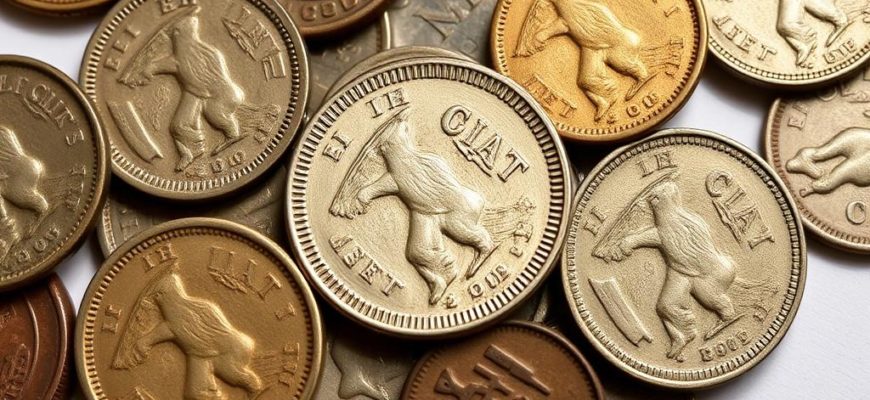
Finding an old coin value app in a drawer can feel like a tiny discovery. Before you let excitement carry you away, take a breath and turn that discovery into knowledge. This article walks you through identification, condition assessment, authenticity checks, pricing sources and selling options, with practical tools and clear steps you can follow right now. No jargon-heavy detours—just useful methods that help you understand what you actually have.
- Start by Identifying the Coin
- Useful initial actions
- Tools You’ll Want on Hand
- Assess Condition: Grading Basics
- Check Authenticity: Common Tests and Red Flags
- Determine Market Value: Sources and Approach
- Cleaning and Conservation: When to Act—and When Not To
- Selling: Where to Go and What to Expect
- Practical Checklist: Step-by-Step
- Resources Worth Bookmarking
- Conclusion
Start by Identifying the Coin
Identification is the foundation. Note the obvious first: country of origin, denomination, year and any mint marks—those small letters or symbols that indicate where the coin was struck. On U.S. coins, mint marks like D, S or P can affect value. On world coins, language, script and portrait clues tell you the era and issuer.
Look beyond the obvious. Edge details (reeded, plain, lettered), metal color, and any visible inscriptions help narrow things down. Take clear photos of both sides and the rim; many important features are tiny and obvious only in a close-up. If a date is partially worn, mint marks or design changes to the reverse can still identify the issue.
Useful initial actions
- Handle coins by the edge to avoid oils from your fingers.
- Use a soft cloth or gloves when photographing to keep surfaces clean.
- Write down any numbers, letters or symbols you see—these are search-friendly.
Tools You’ll Want on Hand
A few inexpensive tools make a big difference. You don’t need a professional lab to do good preliminary work. The right tools simply let you look closely and measure accurately.
| Tool | Purpose |
|---|---|
| 10x loupe or magnifier | Inspect fine details, mint marks, die cracks and wear patterns |
| Digital scale (0.01 g) | Verify weight against official specifications to detect fakes or altered pieces |
| Calipers | Measure diameter and thickness for identification |
| Soft brushes and microfiber cloths | Safe handling and gentle cleaning if absolutely necessary |
| Reference books / smartphone | Compare designs, dates and market values using reliable sources |
Assess Condition: Grading Basics
Value often hinges on condition. Grading is straightforward in concept: the less wear and the better the strike, the higher the grade and usually the higher the price. Learn the general scale so you can place your coin roughly where it fits.
| Grade | Meaning |
|---|---|
| Poor (PO/PR) | Severely worn, date may be barely legible |
| Good (G) | Major details visible but heavily worn |
| Fine (F) | Major features clear, moderate wear on high points |
| Extremely Fine (EF/XF) | Light wear on high points, most details intact |
| About Uncirculated (AU) | Very slight wear; luster often present in protected areas |
| Mint State (MS) | No wear from circulation; graded MS60–MS70 depending on strike and marks |
Take notes on the most worn parts of the coin—high points, lettering and portrait hairlines are typical wear indicators. Compare your coin to reference photos from auction houses or grading services to refine your judgement.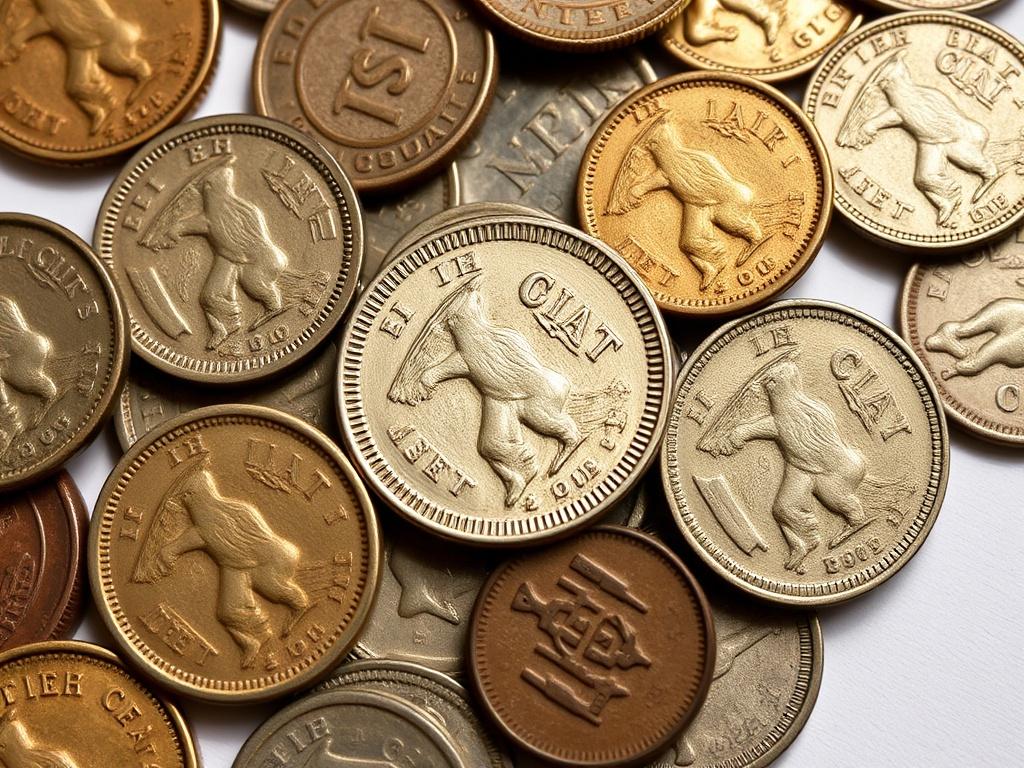
Check Authenticity: Common Tests and Red Flags
Fakes and altered coins exist at all price levels. Many counterfeits try to pass as silver or gold by plating a cheaper core. Fortunately, some simple checks catch common problems.
- Weigh and measure: Compare against official specs. A small difference can indicate a different metal or a compromised core.
- Magnet test: Most precious metals aren’t magnetic. If a coin sticks, treat it with suspicion.
- Visual inspection with magnification: Look for casting seams, pitting consistent with casting, or unnatural tool marks where details were added.
- Edge examination: Modern counterfeiters sometimes miss correct reeding patterns or edge lettering.
- Sound test (ring): Gold and silver coins often produce a distinct ring when tapped gently; modern plated fakes sound duller. This isn’t definitive but useful in combination with other checks.
When in doubt, seek a professional opinion. Certified third-party graders (PCGS, NGC) will authenticate and grade coins; the fee might be worth it for high-value pieces. Reputable coin dealers and local numismatic clubs are other good sources of expertise.
Determine Market Value: Sources and Approach
Value is what a willing buyer pays a willing seller. That said, several resources give accurate market signals: price guides, auction records and recent sale prices. Use a mix rather than relying on a single number.
- Standard references: The Red Book (U.S. coins) and Krause publications for world coins give baseline values for common grades.
- Certification price guides: PCGS and NGC publish population and pricing data for certified coins.
- Auction houses and past sale records: Heritage, Stack’s Bowers and major auction platforms show realized prices for similar coins—and these often diverge from guidebook numbers.
- Online marketplaces: eBay’s “Sold” filter is invaluable for seeing actual transaction prices, but adjust for grading differences and photos that misrepresent condition.
For bullion or melted-metal value, calculate melt value by multiplying the coin’s metal weight by the current spot price (e.g., silver or gold per troy ounce). This gives a floor price but is often far below collector value for rarer pieces.
Cleaning and Conservation: When to Act—and When Not To
Cleaning can destroy value faster than almost anything else. Many collectors prize original surfaces, even when those surfaces are darkened or spotted. Harsh cleaning removes patina, creates scratches and can be impossible to reverse.
A rule that saves money: don’t clean coins you suspect might be valuable. If the coin is common and you want to improve how it looks for casual display, use only the gentlest methods—soft water rinse, a little dish soap with a soft brush and thorough drying. Avoid chemical dips, polishing cloths or abrasive tools.
When conservation is necessary—for example, to stabilize green corrosion on bronze—consult a professional conservator. Proper conservation preserves detail and prevents future damage; amateur “restoration” often makes a coin unsaleable to collectors.
Selling: Where to Go and What to Expect
Deciding where to sell depends on the coin’s value, rarity and your comfort level. Each option has trade-offs between convenience, fees and sale price.
- Local coin dealer: Quick sale, instant payment, but you’ll likely receive wholesale rather than retail prices.
- Auction houses: Good for rare or high-value coins; auction fees and consignor timelines apply.
- Online marketplaces: eBay and specialized forums reach many buyers; photos, accurate grading and clear descriptions matter. Expect seller fees and possible disputes.
- Consignment dealers: They find buyers and handle the sale for a commission; this is useful for higher-value items if you prefer not to manage the sale yourself.
Always document provenance and take high-quality photos. Buyers pay for confidence. A graded coin with a matching certificate fetches more and moves faster than the same coin sold raw, especially at higher price points.
Practical Checklist: Step-by-Step
- Step 1: Photograph both sides and the rim; note weight and diameter.
- Step 2: Identify date, mint mark and design variations using reference sources.
- Step 3: Grade the coin approximately and note defects (dings, corrosion, cleaning).
- Step 4: Check authenticity with weight, magnet, visual and edge tests.
- Step 5: Search price guides and recent auction/sold listings for comparable coins.
- Step 6: Decide whether to seek third-party grading or to sell raw based on expected value.
- Step 7: Choose a selling method and document the sale with photos and receipts.
Resources Worth Bookmarking
Reliable sources save time and reduce mistakes. Keep these references handy when you’re researching values and comparisons.
- PCGS and NGC: grading guides, population reports and price tools.
- Numista: excellent for world coin identification and community-contributed pricing
- Heritage and Stack’s Bowers: auction records and catalogs for comparables
- eBay Sold Listings: practical market prices for raw coins
- Local coin clubs and ANA chapters: for hands-on help and networking
Conclusion
Checking the value of old coins is part detective work, part slow craft. Start by identifying and documenting, use simple tools to check condition and authenticity, and consult a mix of price guides and real sale records to get a fair market sense. Avoid cleaning valuable pieces, photograph everything, and choose selling routes that match the coin’s expected worth. With patience and the right resources, that old coin can reveal its story—and its value—without guesswork.
Оценивайте статью, делитесь материалом с друзьями в социальных сетях, а также высказывайте свое мнение в обсуждении ниже!